
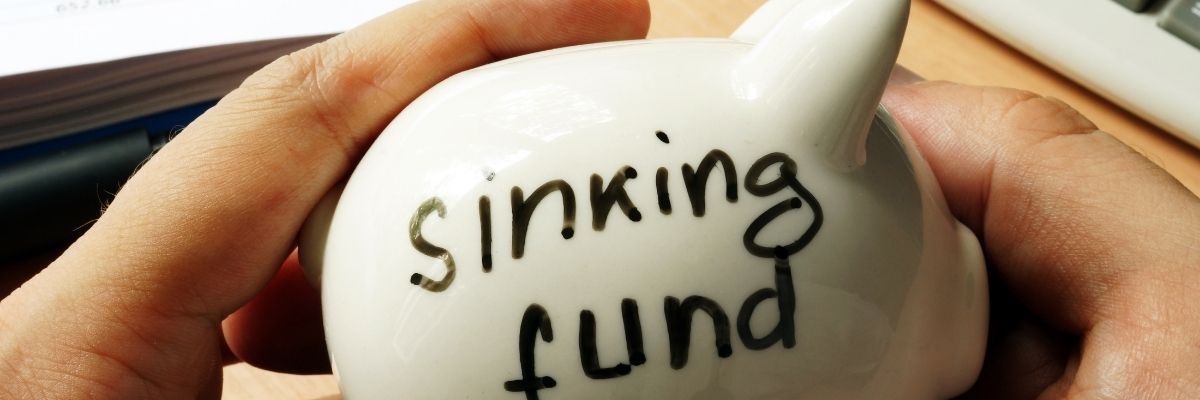
Sinking funds are a powerful financial tool often overlooked, but they can be instrumental in achieving financial stability and reaching your goals. They provide a systematic way to save for future expenses, preventing financial strain and promoting better budgeting habits. This article will delve into the intricacies of sinking funds, explaining their purpose, benefits, and how to effectively implement them into your financial strategy.
Comprehensive Overview of Sinking Funds
| Topic | Description | Examples |
|---|---|---|
| Definition | A sinking fund is a dedicated account where you regularly save a fixed amount of money over a specific period to cover a future expense. It’s a proactive approach to budgeting for known costs. | Saving $100/month for a $1,200 Christmas gift budget; Saving $200/month for a $2,400 annual property tax bill; Saving $50/month for a $600 annual car insurance premium; Saving $300/month for a $3,600 home down payment. |
| Purpose | To avoid large, unexpected expenses by planning and saving in advance. This reduces financial stress and prevents the need for debt financing. | Saving for holiday gifts, annual insurance premiums, property taxes, car repairs, home maintenance, vacations, down payments, new appliances, or even large purchases like furniture. |
| Benefits | – Reduced Financial Stress: Knowing you have funds set aside for expenses alleviates anxiety. – Prevents Debt: Avoids reliance on credit cards or loans with high interest rates. – Improved Budgeting: Forces you to plan and allocate funds effectively. – Financial Discipline: Encourages consistent saving habits. – Opportunity Cost Awareness: Highlights the true cost of future expenses. | N/A |
| Setting Up a Sinking Fund | 1. Identify the Expense: Determine the specific expense you want to save for. 2. Calculate the Total Cost: Estimate the total amount you’ll need. 3. Determine the Timeframe: Decide how long you have to save. 4. Calculate the Monthly Contribution: Divide the total cost by the number of months. 5. Automate Savings: Set up automatic transfers to your sinking fund account. | Example: Saving for a $2,000 vacation in 10 months requires saving $200 per month. Set up an automatic transfer of $200 from your checking account to your dedicated vacation sinking fund account on the 1st of each month. |
| Types of Sinking Funds | – Short-Term: For expenses within a year (e.g., Christmas, car repairs). – Mid-Term: For expenses within 1-5 years (e.g., vacation, appliance replacement). – Long-Term: For expenses beyond 5 years (e.g., down payment, college fund). | Examples: Short-Term: Christmas gifts. Mid-Term: Vacation. Long-Term: Down payment on a house. |
| Where to Keep Sinking Funds | – High-Yield Savings Account (HYSA): Offers higher interest rates than traditional savings accounts. – Money Market Account (MMA): Similar to HYSAs but may offer check-writing privileges. – Certificates of Deposit (CDs): Offer fixed interest rates for a specific term; suitable for short to mid-term goals. – Brokerage Account (Low-Risk Investments): Consider low-risk options like short-term bond funds for longer-term goals. | Example: Use a HYSA for a Christmas sinking fund, a CD for a vacation sinking fund, and a short-term bond fund for a down payment sinking fund. |
| Distinguishing from Emergency Funds | Emergency Fund: For unexpected, urgent expenses (e.g., job loss, medical bills). Sinking Fund: For planned, predictable expenses. | Emergency Fund: Loss of employment. Sinking Fund: Car maintenance. |
| Tracking Sinking Funds | Use a spreadsheet, budgeting app, or dedicated sinking fund tracker to monitor progress and ensure you’re on track to meet your goals. | Examples of budgeting apps include YNAB (You Need a Budget), Mint, and Personal Capital. Spreadsheet programs like Google Sheets or Microsoft Excel can also be used. |
| Adjusting Contributions | Regularly review your sinking fund contributions and adjust them as needed based on changes in expenses or income. | Example: If the estimated cost of your vacation increases, increase your monthly contribution to the vacation sinking fund. If you receive a raise, consider increasing contributions to all your sinking funds. |
| Common Mistakes | – Not having a dedicated account: Mixing sinking fund savings with general savings makes it difficult to track progress and avoid spending the money on other things. – Underestimating costs: Failing to accurately estimate the total cost of the expense can lead to shortfalls. – Inconsistent contributions: Skipping contributions disrupts the saving process and may delay reaching the goal. – Using sinking funds for non-intended purposes: Raiding the sinking fund for unrelated expenses defeats the purpose. | N/A |
| Integrating with Budgeting | Sinking funds should be a line item in your budget, reflecting the planned savings for each specific expense. This ensures that you allocate funds intentionally and avoid overspending in other areas. | Example: In your monthly budget, allocate $200 for the vacation sinking fund, $100 for the car repair sinking fund, and $50 for the holiday gift sinking fund. |
| Psychological Benefits | Creates a sense of control over finances, reduces stress, and increases confidence in managing money. Knowing you are prepared for future expenses leads to greater peace of mind. | N/A |
Detailed Explanations
Definition: A sinking fund is a strategic savings approach where you systematically save a specific amount of money over a defined period to cover a future expense. This method differs from general savings by being specifically designated for a known upcoming cost.
Purpose: The primary purpose of a sinking fund is to prevent large, unexpected financial burdens by proactively saving for anticipated expenses. By planning and saving in advance, you avoid the need to dip into emergency funds or take on debt.
Benefits
- Reduced Financial Stress: Knowing you have funds set aside for upcoming expenses significantly reduces anxiety and provides peace of mind.
- Prevents Debt: Sinking funds eliminate the need to rely on credit cards or loans with high interest rates when expenses arise.
- Improved Budgeting: This method encourages a structured approach to budgeting, forcing you to plan and allocate funds effectively for future needs.
- Financial Discipline: Consistently contributing to a sinking fund fosters disciplined saving habits that can extend to other areas of your finances.
- Opportunity Cost Awareness: By calculating the total cost of future expenses in advance, you become more aware of the true cost and can make informed decisions about spending.
Setting Up a Sinking Fund
- Identify the Expense: The first step is to determine the specific expense you want to save for. This could be anything from holiday gifts to a new appliance.
- Calculate the Total Cost: Estimate the total amount you’ll need to cover the expense. Research and get accurate quotes to avoid underestimating.
- Determine the Timeframe: Decide how long you have to save. This will depend on the expense and when you anticipate needing the funds.
- Calculate the Monthly Contribution: Divide the total cost by the number of months you have to save. This will give you the required monthly contribution.
- Automate Savings: Set up automatic transfers from your checking account to your sinking fund account each month. This ensures consistent saving without requiring manual effort.
Types of Sinking Funds
- Short-Term: These funds are for expenses that will occur within a year, such as holiday gifts, car repairs, or annual insurance premiums.
- Mid-Term: These funds are for expenses that will occur within 1-5 years, such as vacations, appliance replacements, or minor home renovations.
- Long-Term: These funds are for expenses that will occur beyond 5 years, such as a down payment on a house, college fund, or a major home renovation.
Where to Keep Sinking Funds
- High-Yield Savings Account (HYSA): HYSAs offer higher interest rates than traditional savings accounts, making them ideal for short to mid-term sinking funds. The money is easily accessible, and the interest earned helps to offset inflation.
- Money Market Account (MMA): MMAs are similar to HYSAs but may offer check-writing privileges and slightly higher interest rates. They are suitable for short to mid-term goals.
- Certificates of Deposit (CDs): CDs offer fixed interest rates for a specific term. They are a good option for short to mid-term goals where you don’t need immediate access to the funds.
- Brokerage Account (Low-Risk Investments): For longer-term goals, consider low-risk investments like short-term bond funds. These investments offer the potential for higher returns than savings accounts while still maintaining a relatively low risk profile.
Distinguishing from Emergency Funds
An emergency fund is for unexpected, urgent expenses, such as job loss, medical bills, or unexpected home repairs. It’s a safety net designed to cover unforeseen circumstances. A sinking fund, on the other hand, is for planned, predictable expenses that you know are coming.
Tracking Sinking Funds
Use a spreadsheet, budgeting app, or dedicated sinking fund tracker to monitor your progress and ensure you’re on track to meet your goals. This allows you to see how much you’ve saved, how much you still need to save, and whether you need to adjust your contributions.
Adjusting Contributions
Regularly review your sinking fund contributions and adjust them as needed based on changes in expenses or income. If the estimated cost of an expense increases, increase your monthly contribution accordingly. If you receive a raise, consider increasing contributions to all your sinking funds to accelerate your savings.
Common Mistakes
- Not having a dedicated account: Mixing sinking fund savings with general savings makes it difficult to track progress and avoid spending the money on other things.
- Underestimating costs: Failing to accurately estimate the total cost of the expense can lead to shortfalls.
- Inconsistent contributions: Skipping contributions disrupts the saving process and may delay reaching the goal.
- Using sinking funds for non-intended purposes: Raiding the sinking fund for unrelated expenses defeats the purpose and undermines your financial planning.
Integrating with Budgeting
Sinking funds should be a line item in your budget, reflecting the planned savings for each specific expense. This ensures that you allocate funds intentionally and avoid overspending in other areas. By incorporating sinking funds into your budget, you create a comprehensive financial plan that addresses both current and future needs.
Psychological Benefits
Creating and maintaining sinking funds provides a sense of control over your finances, reduces stress, and increases your confidence in managing money. Knowing that you are prepared for future expenses leads to greater peace of mind and a more positive outlook on your financial future.
Frequently Asked Questions
- What is a sinking fund?
A sinking fund is a dedicated account where you regularly save a fixed amount of money over a specific period to cover a future expense. It’s a proactive approach to budgeting. - Why do I need a sinking fund?
Sinking funds help you avoid large, unexpected expenses by planning and saving in advance, preventing the need for debt financing and reducing financial stress. - How do I start a sinking fund?
Identify the expense, calculate the total cost, determine the timeframe, calculate the monthly contribution, and automate savings. - Where should I keep my sinking fund?
High-yield savings accounts, money market accounts, and certificates of deposit are all suitable options, depending on the timeframe and your risk tolerance. - What’s the difference between a sinking fund and an emergency fund?
An emergency fund is for unexpected, urgent expenses, while a sinking fund is for planned, predictable expenses.
Conclusion
Sinking funds are an invaluable tool for anyone seeking to improve their financial stability and achieve their goals. By proactively saving for known future expenses, you can avoid debt, reduce stress, and gain greater control over your financial life. Incorporating sinking funds into your budget is a simple yet powerful step towards a more secure and prosperous future.