
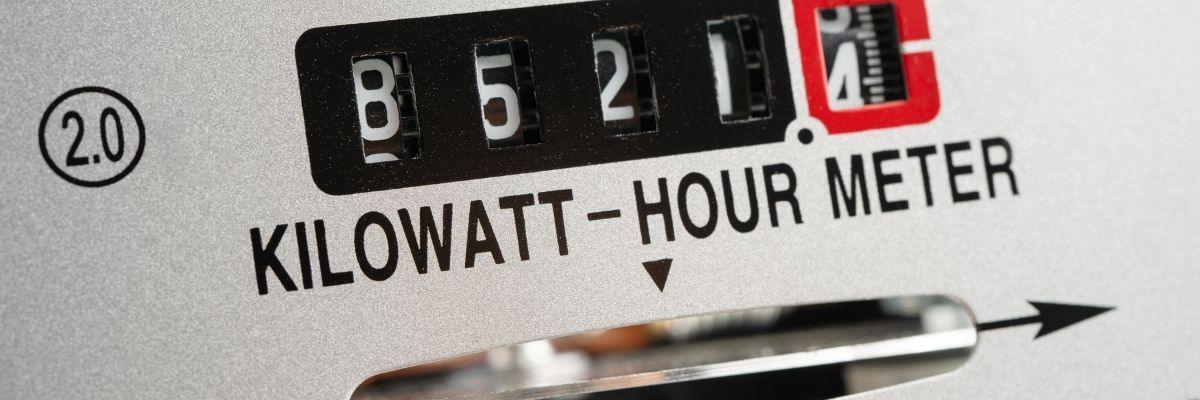
Feeling the pinch of rising energy costs? You’re not alone! It seems like every month, those bills creep higher and higher. But don’t despair! You don’t need to invest in expensive solar panels or completely overhaul your home to make a difference. With a few clever tweaks and some mindful habits, you can significantly reduce your energy consumption and keep more money in your pocket. Let’s dive into some easy-to-implement strategies that will have you seeing savings in no time.
Let’s Talk Light: Lighting Up Savings
One of the easiest places to start cutting energy costs is with your lighting. Old-fashioned incandescent bulbs are energy hogs, plain and simple.
- Switch to LEDs: This is probably the single biggest impact you can make. LED bulbs use up to 75% less energy and last significantly longer than incandescent bulbs. While the initial cost might be a bit higher, the long-term savings are well worth it. Think about it – fewer trips to the store to replace bulbs!
- Embrace Natural Light: Open your curtains and blinds during the day to let the sunshine in. Not only will this reduce your need for artificial lighting, but it can also boost your mood.
- Use Task Lighting: Instead of lighting up an entire room, use lamps or under-cabinet lighting to illuminate specific areas where you’re working.
- Turn Off Lights When You Leave: This seems obvious, but it’s easy to forget. Make it a habit to switch off the lights when you leave a room, even if it’s just for a few minutes.
Heating and Cooling: Taming the Temperature Beast
Heating and cooling often account for the largest portion of your energy bill. Here’s how to take control:
- Smart Thermostats are Your Friend: A programmable or smart thermostat allows you to automatically adjust the temperature based on your schedule. You can set it to lower the temperature when you’re away from home or asleep, and then automatically raise it before you return or wake up. Many smart thermostats learn your habits and adjust the temperature accordingly.
- Seal Those Leaks: Drafty windows and doors can let in cold air in the winter and hot air in the summer, forcing your heating and cooling systems to work harder. Seal any cracks or gaps with weatherstripping or caulk. Pay attention to areas around pipes, wires, and outlets.
- Insulation is Key: Proper insulation is crucial for maintaining a comfortable temperature and reducing energy loss. Check the insulation in your attic, walls, and floors. If it’s inadequate, consider adding more.
- Regular HVAC Maintenance: Change your air filters regularly (every 1-3 months) to ensure that your heating and cooling systems are running efficiently. Schedule annual maintenance checks to identify and address any potential problems.
- Use Fans Strategically: Ceiling fans can help circulate air and make you feel cooler in the summer and warmer in the winter. In the summer, set the fan to rotate counterclockwise to create a cooling breeze. In the winter, set it to rotate clockwise at a low speed to circulate warm air that rises to the ceiling.
- Window Treatments Can Help: Heavy curtains or blinds can help block out sunlight and heat in the summer and insulate your windows in the winter. Consider using blackout curtains in rooms that get a lot of sun.
Appliances: Energy Vampires Beware!
Appliances can be sneaky energy consumers. Here’s how to keep them in check:
- Unplug Electronics When Not in Use: Many electronics continue to draw power even when they’re turned off. This is known as “phantom load” or “vampire power.” Unplug chargers, TVs, computers, and other devices when you’re not using them. You can also use power strips with switches to easily turn off multiple devices at once.
- Wash Clothes in Cold Water: Heating water accounts for a significant portion of the energy used by your washing machine. Washing clothes in cold water can save you a considerable amount of money. Most detergents are designed to work effectively in cold water.
- Air Dry Your Clothes When Possible: Using a clothes dryer is a major energy hog. Hang your clothes outside on a clothesline or use a drying rack indoors to save energy and money.
- Run Full Loads in the Dishwasher and Washing Machine: Avoid running these appliances until you have a full load. This will reduce the number of cycles you need to run and save water and energy.
- Keep Your Refrigerator and Freezer Efficient: Make sure the doors are properly sealed, and clean the coils regularly to improve efficiency. Set the temperature to the optimal settings (37-40°F for the refrigerator and 0°F for the freezer).
- Upgrade to Energy-Efficient Appliances: When it’s time to replace an old appliance, look for Energy Star certified models. These appliances are designed to use less energy and can save you money over the long term.
Water Heating: Turn Down the Heat (Bill, That Is!)
Heating water is another significant energy expense. Here’s how to reduce it:
- Lower Your Water Heater Temperature: Most water heaters are set to 140°F, which is often hotter than necessary. Lowering the temperature to 120°F can save you energy and money without sacrificing comfort.
- Insulate Your Water Heater: If your water heater is located in an unheated area, insulate it to prevent heat loss. You can purchase a pre-cut insulation blanket specifically designed for water heaters.
- Take Shorter Showers: This is a simple but effective way to reduce water and energy consumption. Try setting a timer to limit your showers to five minutes.
- Fix Leaky Faucets and Pipes: Even a small drip can waste a significant amount of water over time. Fix any leaky faucets or pipes promptly to prevent water and energy loss.
- Install Low-Flow Showerheads and Faucet Aerators: These devices reduce water flow without sacrificing water pressure, saving you water and energy.
Kitchen Savings: Cooking Up Efficiency
The kitchen is often a hotspot for energy consumption. Here’s how to cool things down:
- Use the Right Size Burner: When cooking on the stovetop, use a burner that is the same size as the pot or pan. Using a burner that is too large wastes energy.
- Keep Your Oven Clean: A dirty oven takes longer to heat up and can be less efficient. Clean your oven regularly to maintain optimal performance.
- Use Smaller Appliances: For smaller cooking tasks, use a toaster oven, microwave, or slow cooker instead of the oven. These appliances use less energy.
- Cover Pots and Pans: When cooking on the stovetop, cover your pots and pans to trap heat and reduce cooking time.
- Defrost Food in the Refrigerator: Defrosting food in the refrigerator is a safer and more energy-efficient way to thaw food than leaving it out at room temperature.
Simple Habits, Big Impact: The Power of Mindfulness
Beyond physical tweaks, adopting energy-conscious habits can make a real difference:
- Be Aware of Your Energy Consumption: Pay attention to how you use energy in your home. Identify areas where you can reduce your consumption.
- Make Small Changes Gradually: You don’t have to make all of these changes at once. Start with a few simple tweaks and gradually incorporate more energy-saving habits into your routine.
- Get the Whole Family Involved: Encourage your family members to participate in energy-saving efforts. Make it a team effort!
Frequently Asked Questions
- How much can I really save? Savings vary, but implementing these tips can cut your energy bill by 10-30%.
- Are LED bulbs really worth the cost? Absolutely! They last much longer and use significantly less energy than traditional bulbs.
- Is it hard to install weatherstripping? Not at all! It’s a simple DIY project that can be done in minutes.
- How often should I change my air filter? Every 1-3 months, depending on usage and the type of filter.
- What’s the best temperature for my refrigerator? Between 37-40°F is ideal for food safety and energy efficiency.
By implementing these simple home tweaks and adopting energy-conscious habits, you can significantly reduce your energy bills and create a more comfortable and sustainable home. Start small, stay consistent, and watch the savings add up!