
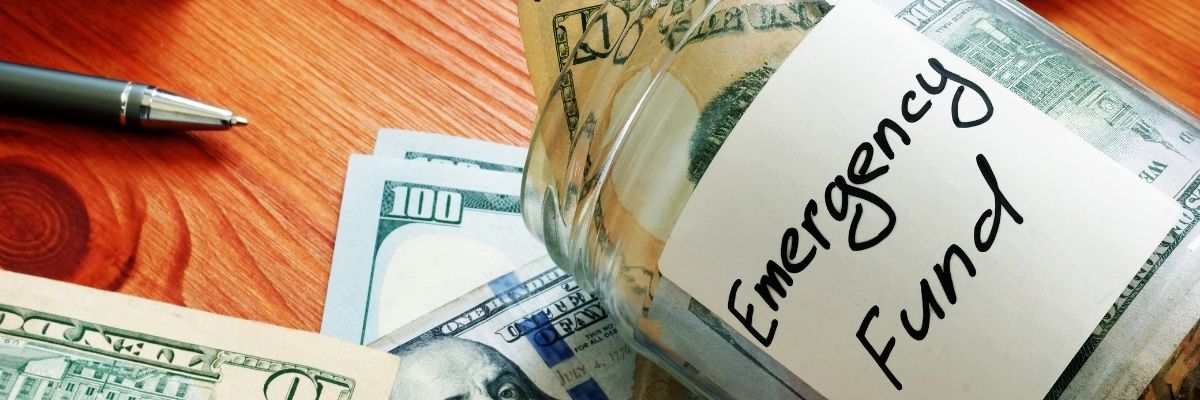
An emergency fund acts as a financial safety net, ready to catch you when unexpected expenses arise. Life is unpredictable, and having readily available cash can prevent you from going into debt or facing severe financial hardship.
This article will explore why an emergency fund is crucial for every adult, what it should cover, and how to build one effectively.
Emergency Fund Essentials
| Topic | Description | Key Considerations |
|---|---|---|
| Purpose | A dedicated savings account to cover unexpected expenses, preventing debt and financial hardship. | Peace of mind, financial security, avoiding high-interest debt, maintaining credit score. |
| Emergency Definition | Unexpected and unavoidable expenses that require immediate payment. | Job loss, medical bills, car repairs, home repairs, unexpected travel (family emergency). Distinguish from planned expenses or discretionary spending. |
| Savings Goal | Typically 3-6 months of essential living expenses. Can be adjusted based on individual circumstances (job security, health, dependents). | Calculate monthly expenses carefully. Prioritize needs over wants. Review and adjust your goal periodically. |
| Fund Location | Accessible, liquid, and safe accounts. High-yield savings accounts (HYSAs) and money market accounts (MMAs) are popular choices. | Prioritize easy access and minimal risk. Consider interest rates to maximize growth. Avoid tying up funds in investments with potential for loss. |
| Building Strategies | Budgeting, automating savings, side hustles, cutting expenses, and setting realistic goals. | Create a budget to identify areas for savings. Automate transfers to your emergency fund. Explore ways to increase income. Start small and gradually increase contributions. |
| Emergency vs. Other Savings | Emergency funds are specifically for unexpected expenses, while other savings are for planned goals (retirement, down payment on a house). | Avoid using your emergency fund for non-emergencies. Keep emergency funds separate from other savings accounts. Prioritize emergency fund before other long-term savings goals. |
| Replenishment | Replenish your emergency fund as soon as possible after using it. | Adjust your budget to prioritize replenishment. Consider temporarily pausing other savings goals. Avoid dipping into the fund for non-emergencies while replenishing. |
| When NOT to Use | Avoid using your emergency fund for planned expenses, discretionary spending, or investment opportunities. | Resist the temptation to use it for non-essential items. Evaluate the necessity and urgency of the expense. Consider alternative solutions before tapping into your emergency fund. |
| Alternatives (and Risks) | Credit cards, personal loans, and borrowing from family/friends. These options often come with high interest rates, fees, and potential strain on relationships. | Emergency fund alternatives are less desirable due to potential costs and risks. Prioritize building an emergency fund to avoid reliance on these options. |
| Psychological Benefits | Reduced stress, increased confidence, and improved financial well-being. | Knowing you have a safety net can alleviate anxiety and promote financial stability. An emergency fund empowers you to handle unexpected events without fear. |
Detailed Explanations:
Understanding the Importance of an Emergency Fund
An emergency fund is a savings account specifically designated to cover unexpected expenses. It’s a financial cushion that protects you from going into debt when life throws curveballs. Having an emergency fund provides peace of mind and allows you to handle unforeseen circumstances without derailing your financial stability.
What Constitutes an Emergency?
An emergency is an unexpected and unavoidable expense that requires immediate payment. Common examples include job loss, unexpected medical bills, necessary car repairs, urgent home repairs (like a leaky roof), and unexpected travel due to a family emergency. It’s crucial to differentiate between a true emergency and a planned expense or discretionary spending. A sale on a new TV is not an emergency.
How Much Should You Save?
The general rule of thumb is to save 3-6 months of essential living expenses in your emergency fund. This amount provides a sufficient buffer to cover your needs while you navigate a job loss or other significant financial disruption. To determine your target amount, carefully calculate your monthly expenses, including rent/mortgage, utilities, food, transportation, and essential debt payments. Consider your personal circumstances when setting your goal. If you have a stable job and health insurance, you might be comfortable with 3 months’ worth of expenses. If your job is less secure or you have pre-existing health conditions, aiming for 6 months or more might be wiser.
Where to Keep Your Emergency Fund
Your emergency fund should be kept in an account that is easily accessible, liquid, and safe. High-yield savings accounts (HYSAs) and money market accounts (MMAs) are popular choices because they offer relatively higher interest rates than traditional savings accounts while still providing easy access to your funds. Avoid keeping your emergency fund in investments with the potential for loss, such as stocks or mutual funds. The primary goal is to preserve your capital and have it readily available when you need it.
Building Your Emergency Fund: A Step-by-Step Guide
Building an emergency fund takes time and discipline. Here’s a step-by-step guide:
- Create a Budget: Track your income and expenses to identify areas where you can cut back on spending.
- Set a Realistic Goal: Start with a smaller, achievable goal, such as $1,000, and gradually increase it over time.
- Automate Savings: Set up automatic transfers from your checking account to your emergency fund on a regular basis.
- Cut Expenses: Identify non-essential expenses that you can eliminate or reduce.
- Find a Side Hustle: Explore opportunities to earn extra income, such as freelancing, driving for a ride-sharing service, or selling unwanted items.
- Prioritize Savings: Make saving for your emergency fund a priority. Treat it like a non-negotiable bill.
- Celebrate Milestones: Acknowledge and celebrate your progress to stay motivated.
Emergency Fund vs. Other Savings
It’s important to distinguish between an emergency fund and other types of savings. An emergency fund is specifically for unexpected and unavoidable expenses, while other savings are for planned goals, such as retirement, a down payment on a house, or a vacation. Avoid using your emergency fund for non-emergencies, as this will deplete your safety net and leave you vulnerable to future financial shocks. Keep your emergency fund separate from your other savings accounts to avoid temptation.
Replenishing Your Emergency Fund
After using your emergency fund, it’s crucial to replenish it as soon as possible. Adjust your budget to prioritize rebuilding your fund. Consider temporarily pausing other savings goals, such as contributing to a retirement account, until your emergency fund is back to its target level. Resist the temptation to use the fund for non-emergencies while you’re replenishing it.
When NOT to Use Your Emergency Fund
Avoid using your emergency fund for:
- Planned expenses: Vacations, holiday gifts, or home renovations that you’ve been planning for.
- Discretionary spending: Eating out, entertainment, or impulse purchases.
- Investment opportunities: While it might seem tempting to use your emergency fund to invest in a “sure thing,” it’s generally not a good idea. Investments carry risk, and you could lose money.
- Sales or discounts: Just because something is on sale doesn’t mean it’s an emergency.
Evaluate the necessity and urgency of the expense before tapping into your emergency fund. Consider alternative solutions, such as selling unwanted items or negotiating a payment plan.
Emergency Fund Alternatives (and Why They Aren’t Ideal)
While there are alternatives to having an emergency fund, they are generally less desirable due to potential costs and risks:
- Credit Cards: Using credit cards to cover emergencies can quickly lead to high-interest debt if you’re unable to pay off the balance in full each month.
- Personal Loans: Personal loans can be a good option for some emergencies, but they often come with interest rates and fees.
- Borrowing from Family/Friends: Borrowing from loved ones can strain relationships if you’re unable to repay the loan on time.
- Home Equity Line of Credit (HELOC): While HELOCs can offer access to funds, they put your home at risk if you can’t make the payments.
Prioritize building an emergency fund to avoid reliance on these potentially costly and risky alternatives.
The Psychological Benefits of an Emergency Fund
Beyond the financial security it provides, an emergency fund offers significant psychological benefits. Knowing you have a safety net can reduce stress and anxiety about unexpected expenses. It can also increase your confidence in your ability to handle financial challenges. An emergency fund empowers you to face unforeseen events without fear and promotes overall financial well-being. Having an emergency fund allows you to sleep better at night knowing you are prepared.
Frequently Asked Questions:
- How do I calculate my essential living expenses?
- Track all your spending for a month or two, then identify the expenses necessary for survival (housing, food, utilities, transportation, minimum debt payments).
- What if I have debt? Should I pay that off first?
- It’s generally recommended to build a small emergency fund (e.g., $1,000) before aggressively paying off debt, then focus on debt repayment.
- What if I lose my job?
- Your emergency fund is designed to cover your essential expenses while you search for a new job.
- Is it okay to invest my emergency fund?
- No, your emergency fund should be kept in a safe, liquid account, not exposed to market risk.
- How often should I review my emergency fund goal?
- Review your emergency fund goal at least once a year, or whenever your circumstances change (e.g., job change, new family member).
Conclusion:
An emergency fund is a vital component of any sound financial plan, offering protection against life’s inevitable unexpected events. By prioritizing building and maintaining an emergency fund, you can safeguard your financial well-being and gain peace of mind.